Condições para submissão
Como parte do processo de submissão, os autores são obrigados a verificar a conformidade da submissão em relação a todos os itens listados a seguir. As submissões que não estiverem de acordo com as normas serão devolvidas aos autores.- 1. O trabalho não foi publicado anteriormente, nem foi submetido a outra revista (ou uma explicação foi fornecida em "comentários ao editor").
- 2. O arquivo Envie está no formato, Microsoft Word.
- 3. Os endereços da Web foram adicionados para referências onde ele foi possível.
- 4. O texto tem duplo interlining; O tamanho e tipo de fonte é Arial 12 pontos; É usado em vez de sublinhar (exceto URLs); E todas as ilustrações, figuras e tabelas estão dentro do texto no site que corresponde a eles e não no final de tudo.
- 5. O texto está em conformidade com os requisitos bibliográficos e estilo indicados nas instruções para os autores, que podem ser encontrados na revista.
Diretrizes para Autores
El Informador Técnico se propone estimular la difusión del conocimiento en temas de actualidad nacional e internacional, en las áreas de áreas de Ingeniería de Materiales, Ingeniería Química, Ingeniería Mecánica, Ingeniería Electrónica e Informática, Ingeniería Ambiental, Biotecnología, Diseño Industrial, Gestión del Conocimiento, Innovación y Desarrollo Tecnológico, Prospectiva y Vigilancia Estratégica: Tecnológica y de Mercados y afines, que recojan el resultado de investigaciones, reflexión científica, y producción intelectual de los autores, cuyos juicios emitidos representan su entera responsabilidad y, por lo tanto, no comprometen las políticas del Servicio Nacional de Aprendizaje SENA, ni las del Comité Editorial. La periodicidad de publicación es semestral. Se debe enviar manuscritos únicamente a través de la plataforma OJS de la revista. Tras ser recibido el texto, se somete a una revisión por parte del Comité Editorial, en la que se verifica su pertinencia temática y el cumplimiento de las normas de la revista.
Posteriormente, inicia el proceso de evaluación por pares, en el que se conserva el anonimato de los evaluadores y los autores (doble ciego). Este proceso determina la idoneidad académica del texto y la posibilidad de publicación, o la necesidad de solicitar modificaciones a los autores para nuevamente someter el trabajo a una segunda evaluación.
El Informador Técnico sigue las pautas de Colciencias para la indexación de publicaciones seriadas, y da preferencia a tres tipos de artículos:
a) Artículo de investigación: documento que establece la pregunta de investigación, el camino para someterla a prueba (análisis estadístico del experimento, protocolos disciplinarios) y la confrontación de los resultados obtenidos con la literatura actual. Su estructura generalmente incluye cuatro apartados: introducción, metodología, resultados y conclusiones.
b) Artículo de revisión: es el resultado de una investigación terminada, donde se analizan, sistematizan e integran los resultados de trabajos, publicados o no publicados, sobre un campo en ciencia o tecnología, con el fin de dar cuenta de los avances y las tendencias de desarrollo. Como parte de la metodología, se deben incluir palabras clave, ecuaciones de búsqueda, bases de datos, número de artículos analizados, criterios de descarte o no inclusión y periodos en los que se realizó la revisión de literatura. Se caracteriza por presentar una cuidadosa revisión bibliográfica superior a 50 referencias.
c) Artículo de reflexión: documento que presenta resultados de investigación desde una perspectiva analítica, interpretativa o crítica del autor, sobre un tema específico, donde se recurre a fuentes originales y de revisión.
Proceso de edición de los manuscritos
La revista es de acceso abierto y publica semestralmente artículos en español, inglés y portugués. La recepción de manuscritos es permanente y, si son avalados, se envían a dos pares evaluadores anónimos, calificados internacionalmente y externos al Comité Editorial. Este proceso continúa con la verificación de las evaluaciones de los pares y las respuestas por parte del autor, donde se solicitan modificaciones de estilo que se consideren pertinentes antes de autorizar la publicación. El artículo aprobado por el Comité se remite a los autores para la aprobación de la versión final. Las publicaciones de autores afiliados al Servicio Nacional de Aprendizaje SENA no superarán el 50 % por número.
Documentación requerida
1. Es indispensable que los autores envíen una Carta de presentación diligenciada y firmada por el autor de correspondencia.
2. El formato de Información de autores debe contener la información completa de cada uno de los autores del manuscrito.
3. Diligenciar el formato Lista de chequeo de exigencias mínimas de manuscritos.
Presentación de los manuscritos
1. Los artículos remitidos deben ser originales, escritos en español, inglés o portugués, no publicados con anterioridad o simultáneamente en otra revista, ni en línea.
2. Los artículos pueden contener un máximo de 20 páginas numeradas, sin incluir tablas y figuras, en papel tamaño carta (21,57 cm x 27,94 cm), con márgenes de 2,54 cm en toda la hoja. Deben presentarse a interlineado de1,5, con fuente Arial y tamaño de letra de 11 puntos.
3. En la primera página, se debe incluir los títulos del artículo en español e inglés, el nombre completo de los autores, la filiación institucional, el correo electrónico (preferiblemente institucional), ORCID (en inglés, Open Researcher and Contributor ID; en español, Identificación de Investigador y Colaborador Abierto), resumen no superior a 250 palabras y entre cinco u ocho palabras clave, que no estén incluidas en el título.
4. Se deben incluir todos los coautores en el OJS, e indicar autor de correspondencia, con el fin de facilitar el contacto y el seguimiento del manuscrito.
5. El documento se debe entregar en un archivo de Word.
Estructura del manuscrito
La presentación de los manuscritos debe contener los siguientes elementos:
• Título: debe tener las palabras necesarias para describir con precisión el tema principal tratado, sin que sea demasiado largo (máximo 14 palabras, Arial, 16 puntos).
• Autores: deben estar completos sus nombres y apellidos, así como la filiación institucional de cada uno, ciudad, país y correo electrónico de contacto. El orden de la autoría estará dado por los aportes intelectuales al desarrollo del escrito. El autor de contacto debe estar resaltado con un asterisco (*), y será quien participe en las comunicaciones con la revista.
• Resumen: incluye el objetivo principal del artículo, la discusión general de la metodología, los principales resultados, las conclusiones y el aporte al estado del arte. Debe contener máximo 250 palabras.
• Palabras clave: deben ser alusivas al contenido principal del artículo. Se admite un mínimo de cinco y un máximo de ocho.
• Introducción: formula el objetivo (propósito), el alcance (planteamiento de la pregunta de investigación), el aporte realizado, la importancia e impacto del trabajo y los antecedentes del artículo.
• Marco teórico o estado de la técnica: presenta el estado de la tecnología en el ámbito científico o la revisión de literatura para el soporte de las hipótesis planteadas (solo si es requerido para el desarrollo del artículo).
• Metodología: se describen los métodos, procedimientos o técnicas experimentales más relevantes para la obtención de los resultados y el diseño experimental aplicado (se sugiere evitar la descripción detallada de técnicas estándar).
• Resultados: deben soportar las conclusiones y el alcance del artículo. Se debe sustentar la información estadística (número de observaciones y descriptivos de la muestra como media, desviación estándar, correlaciones, significatividad, entre otros), si aplica. Los análisis de resultados deben estar enfocados en la comprobación de hipótesis y su confrontación con el estado de la técnica.
• Conclusiones: se describen los aportes realizados, y se discuten en relación con estudios previos. También se plantean las implicaciones de los resultados y su relación con el objetivo propuesto.
• Agradecimientos: se incluyen las instituciones o personas que han colaborado en el desarrollo del artículo o el trabajo objeto de análisis en el mismo (opcional).
• Referencias: cada una de las referencias bibliográficas (artículos, libros, normas, patentes, etc.) que se especifiquen a lo largo del documento, deben aparecer en esta sección, en orden estrictamente alfabético, según la Normas APA 7a edición. Se solicita no referenciar informes técnicos internos o de resultados no publicados. El artículo debe contener como mínimo 10 referencias bibliográficas (o 50 si se trata de una revisión).
Presentación de citas y referencias bibliográficas
El Informador Técnico utiliza como base, el formato de las Normas APA, 7a Edición, con una modificación: los apellidos y nombres de los autores se escriben completos, separados por una coma, y con punto y coma se anuncia un nuevo autor (ejemplo: García, Carla; Jiménez, Camilo). Las referencias se ubicarán al final del texto, no en pie de página. Deben darse en orden alfabético, de forma completa y exacta, de manera que puedan ser ubicadas fácilmente por el lector. En términos generales, es necesario considerar los siguientes aspectos:
Cita de parafraseo
Se utilizan las ideas de un autor, pero en palabras propias del escritor. Ya que el contenido no es idéntico al original, no se usan comillas, pero sí se debe especificar la fuente de la información (el apellido del autor, seguido del año de publicación).
Cita basada en el texto
Si el nombre del autor no hace parte de la oración, debe ir entre paréntesis el apellido, seguido del año de publicación, por ejemplo:
Parece ser que, en este caso, la influencia de los inhibidores de radicales en solución es mínima (Thakur, 2013).
Cuando son dos autores, sus apellidos van separados por punto y coma (;), por ejemplo: (Sen; Reddy, 2011). Cuando se trata de tres autores o más, se menciona el apellido del primero, seguido de la expresión et al., por ejemplo: (López et al., 2016).
Cita basada en el autor
Si el autor hace parte de la oración, se menciona el apellido y el año entre paréntesis, por ejemplo:
Para este propósito, se dispone del programa RANK_OBJ, desarrollado por Deutsch (1998).
Deutsch (1998) propone que sea incluida la mayor cantidad de variables posible.
Si se trata de dos autores, deben escribirse los apellidos y el año entre paréntesis, por ejemplo:
Shmaryan y Deutsch (1999) demostraron que...
Cabe recordar que cuando la cita es en base al texto, es decir, que los autores no se nombran como parte de la idea, y se incluyen dentro del paréntesis, deben ser separados por punto y coma (;), como se mencionó anteriormente.
Cuando se trata de tres autores o más, se agrega el apellido del primero, seguido de la expresión et al., por ejemplo:
García et al. (1998) estudiaron los avances…
Cita textual
Sucede cuando se extraen fragmentos o ideas literales de un texto. Las palabras o frases omitidas se reemplazan con puntos suspensivos (...).
Citas de menos de 40 palabras
En este caso, la cita se escribe inmersa en el texto, y entre comillas.
- Cita basada en el texto: si el autor no hace parte de la oración, debe ir entre paréntesis el apellido, seguido del año de publicación y la paginación, por ejemplo:
“parece ser que, en este caso, la influencia de los inhibidores de radicales en solución es mínima” (Thakur, 2013, p. 28).
- Cita basada en el autor: si el autor hace parte de la oración, se menciona el apellido y el año entre paréntesis, también se puede agregar la paginación, o dejarla al final del párrafo, en otro paréntesis. Por ejemplo:
Deutsch (1998, p. 28) afirma “que para este propósito se dispone del programa RANK_OBJ”.
Deutsch (1998) afirma “que para este propósito se dispone del programa RANK_OBJ” (p. 28).
Citas de más de 40 palabras
Estas citas se escriben aparte del texto, con sangría izquierda aplicada al párrafo, y sin comillas.
- Cita basada en el texto: si el autor no hace parte de la oración, debe ir entre paréntesis el apellido, seguido del año de publicación y paginación
La gasificación, es un proceso termoquímico en el que se da un conjunto de reacciones químicas en un ambiente pobre en oxígeno, que da como resultado la transformación de un sólido en una serie de gases que pueden ser empleados en la combustión:
En este proceso la celulosa se transforma en hidrocarburos más ligeros, en monóxido de carbono e hidrógeno. En este proceso la celulosa se transforma en hidrocarburos más ligeros, en monóxido de carbono e hidrógeno. El rendimiento del proceso de gasificación varía dependiendo de la tecnología, el combustible y el agente gasificante que se utilice, en el rango. (Thakur, 2013, p. 28)
- Cita basada en el autor: si el autor hace parte de la oración, se menciona el apellido y el año entre paréntesis, al finalizar, se escribe la paginación. Por ejemplo:
La gasificación es un proceso termoquímico en el que se da un conjunto de reacciones químicas en un ambiente pobre en oxígeno, que da como resultado la transformación de un sólido en una serie de gases que pueden ser empleados en la combustión. Thakur (2013) afirma que:
En este proceso la celulosa se transforma en hidrocarburos más ligeros, en monóxido de carbono e hidrógeno. En este proceso la celulosa se transforma en hidrocarburos más ligeros, en monóxido de carbono e hidrógeno. El rendimiento del proceso de gasificación varía dependiendo de la tecnología, el combustible y el agente gasificante que se utilice, en el rango. (p. 28)
Referencias bibliográficas
Al final del artículo, se deben presentar en estricto orden alfabético, de acuerdo con el apellido del autor mencionado en el texto. Cuando se trata de 2 o más autores, van separados por punto y coma.
Artículos de revistas
Apellido, Nombre (Fecha). Título del artículo. Nombre de la revista, volumen(número), pp-pp. https://doi.org/
Ejemplos:
Arana, Ariadna (2000). The effect of diesel properties on the emissions of particulate matter. Ciencia, Tecnología y Futuro, 2(1), 31-46. https://doi.org/10.23850/22565035.1500
Arana, Ariadna; Torres, José; Herrera, Julio; Sarmiento, Joe (2000). The effect of diesel properties on the emissions of particulate matter. Ciencia, Tecnología y Futuro, 2(1), 31-46. https://doi.org/10.23850/22565035.1500
Libros
Apellido, Nombre (Año). Título. Editorial.
Ejemplos:
Thomann, Ramon (1987). Principles of surface water quality modeling and control. Harper and Row.
Thomann, Ramon; Mueller, Joel (1987). Principles of surface water quality modeling and control. Harper and Row.
Capítulo de un libro
Apellido, Nombre (Año). Título del capítulo o la entrada. En A. A. Apellido (Ed.), Título del libro (pp. xx-xx). Editorial.
En este caso, si hay más de un editor, recopilador o coordinador, también se separan con punto y coma.
Ejemplos:
Batista, Luis; Chalfoun, Sandra; Batista, Carolina; Schwan, Raul (2016). Coffee: types and production. En B. Caballero; F. Finglas; F. Toldrá (Eds.), The Encyclopedia of Food and Health (pp. 28-33). Academic Press.
Tesis
Apellido, Nombre (Año). Título de la tesis [Tesis de pregrado, maestría o doctoral]. Nombre de la institución.
Ejemplos:
Avendaño, David; Sánchez, Luis (1995). Desarrollo y evaluación de una técnica de recuperación de suelos de manglar afectada por hidrocarburos [Tesis de pregrado]. Universidad Jorge Tadeo Lozano.
Simposios, ponencias y conferencias
Conferencia y congresos:
Apellido, Nombre (Fecha). Título del aporte [Tipo de aporte]. Título del evento, Lugar.
Ejemplos:
Roque, Carlos; Renard, María; Vanquy, Ninel (1994, 2 de mayo). Numerical model for predicting complex sulfate scaling during water flooding [Ponencia]. VI Simposio de Investigación en Materiales Poliméricos, Universidad del Cauca, Popayán, Colombia.
Simposios o conversatorios:
Apellido, Nombre (Año, día, mes). En A. Apellido moderador (Cargo), Nombre del evento [Tipo de evento]. Título conferencia, Lugar.
Ejemplos:
Cadillo, Juan (2021, 19-21 de julio). El desafío de la innovación en educación. En A. Fernández (Moderador), Simposio internacional: Desafíos de la educación en el bicentenario [Simposio]. La educación más allá del aula: ¿Cómo atender a la diversidad a través de la educación a distancia?, Lima, Perú.
Material electrónico
Apellido, Nombre (Año). Título. URL.
Ejemplos:
Aparicio, David (2021). Cómo escribir un artículo científico: guía paso a paso para principiantes. https://www.psyciencia.com/como-escribir-un-articulo-cientifico/
Normas ASTM
Ejemplos:
ASTM International (2021). ASTM A888-21. Standard Specification for Hubless Cast Iron Soil Pipe and Fittings for Sanitary and Storm Drain, Waste, and Vent Piping Applications.
Instrucciones especiales para la digitación
Párrafos: se justifican sin dejar espacio entre los consecutivos, y sin separar las palabras. Se recomienda no dejar más de un espacio entre palabras después de coma, punto y coma, dos puntos, paréntesis y punto seguido. No incluir saltos de página o finales de sección. Para hacer incisos, los guiones tipográficos deben ser largos y tocar la palabra adjunta (ejemplo: las variables —entonces— deberán ser claras y precisas), para unir conceptos o cifras, debe usarse un guion (ejemplo: calidad-precio, 2000-2007).
Ecuaciones: se presentan en el procesador incluido en Word, en la fuente Arial, 9 puntos. Para los símbolos de las constantes, variables y funciones se utilizan letras latinas básicas o griegas incluidas en las ecuaciones, y deben ir en cursiva. Los símbolos matemáticos y los números no van en cursiva, y se identifican los símbolos inmediatamente después de la ecuación. Los términos de las ecuaciones y las fórmulas químicas en el texto deben ir en cursiva. Los números que identifican las ecuaciones deben ir entre paréntesis y en letra cursiva, al lado derecho de las mismas. Las fracciones en las fórmulas deben escribirse con barra horizontal. Al enunciarlas dentro del texto, se pueden escribir con la barra oblicua. Las ecuaciones deben numerarse secuencialmente y estar referenciadas dentro del texto.
Figuras: este término se utiliza para los diagramas, las fotos y los gráficos, las notas relacionadas con la figura se incluyen en la parte inferior de la misma, y la información contenida debe estar completa e incluir indicadores que permitan dar información al artículo. Las figuras no requieren de recuadros, y se deben nombrar, numerar y referenciar en el artículo, en estricto orden. El título se escribe tipo oración, se digita como un párrafo normal fuera de la figura, utilizando la fuente Arial, 9 puntos.
Ejemplo:
Figura 1. Micrografía SEM en la sección transversal de la muestra
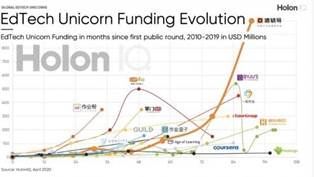
Fuente: elaboración propia.
Tablas: los encabezamientos de cada columna deben ser breves, con las unidades de medida entre paréntesis. Las notas relacionadas con la tabla deben ser muy completas, deben orientar al lector y se incluyen en la parte inferior de la misma.
Ejemplo:
Tabla 1.
Micrografía SEM en la sección transversal de la muestra
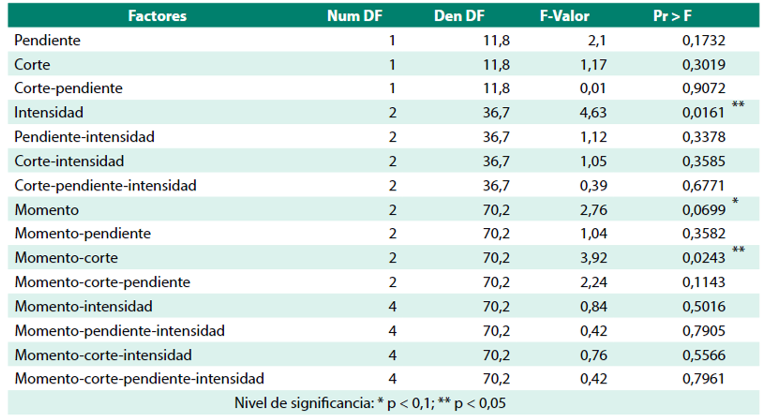
Fuente: elaboración propia.
Las figuras y tablas deben tener numeración consecutiva independiente, deben estar referenciadas dentro del texto y antes de ser mencionadas. Se deben presentar como elementos predeterminados en Word, las abreviaturas y los símbolos usados deben ser explicados en la parte inferior. Los gráficos, figuras y fotografías deben ser utilizados en colores, con una resolución mayor a 250 pixeles.
Nomenclatura: los números decimales se deben señalar con coma (,) en español, y los millares y millones con un punto (.). Se debe utilizar el Sistema Internacional de Unidades (SIU).
Fórmulas químicas y expresiones matemáticas: los subíndices y superíndices en las fórmulas se deben indicar claramente.
Notas de pie de página: en caso de ser necesarias, deben contener solamente aclaraciones o complementos del trabajo que, sin afectar la continuidad del texto, aporten información adicional que el autor considere necesario incluir.
Abreviaturas: la primera vez que aparezcan dentro del texto, deben ir entre paréntesis, después de su expresión completa y en lo subsiguiente, se escribe solo la sigla o abreviatura respectiva.
Archivo: los originales recibidos se conservan como parte del archivo de la revista.
Declaração de Direito Autoral
Al someter un manuscrito al Informador Técnico, mediante el formato de Cesión de los derechos patrimoniales, los autores aceptan su publicación y también su difusión en Internet y en los índices y bases bibliográficas en los que estuviera indexada la revista, siempre y cuando dicho trabajo sea considerado como publicable por parte del Comité Editorial, previa evaluación de los revisores.
Los artículos publicados son de exclusiva responsabilidad de sus autores y no reflejan necesariamente las opiniones del comité editorial de la revista.
El Informador Técnico respeta los derechos morales de sus autores, quienes ceden al Comité Editorial los derechos patrimoniales del material publicado. Los autores pueden dirigir sus contribuciones a través de la plataforma OJS de la revista. Con el envío del manuscrito, el autor adquiere el compromiso de no someterlo simultáneamente a consideración de otras publicaciones mediante el formato Carta de presentación del manuscrito.
Política de Privacidade
Los nombres y direcciones de correo electrónico introducidos en esta revista se usarán exclusivamente para los fines declarados por esta revista, como los procesos de indexación ante Publindex de Ministerio de Ciencia Tecnología e Innovación y Sistemas de indexación SIRES, y no estarán disponibles para ningún otro propósito u otra persona. Toda la información estará a cargo del gestor de la revista.